
Your Local Mortgage Lender
Located in St. Clair Shores, Michigan
Personalized Mortgage Experience
Team Ashley offers personalized service and loan options you'll love. We shop multiple lenders to find the best rate and product for you, getting you into your dream home faster.
With wholesale interest rates and cutting-edge technology, we make the mortgage process seamless. Trust the experts who focus solely on mortgages. Support your local community and experience elite client service.
Let us help you achieve your homeownership dreams!
The Home Loan Process
Mortgage Pre-Approval
Get pre-approved from one of our Loan Officers to see how much you can afford.
House Shopping
Work with a trusted Real Estate Agent to find a home you would like to move into.
Loan Application
Complete your home loan application to get the lending process started.
Featured LinkedIn Article
Read the latest insights, industry updates, and helpful tips from my LinkedIn articles.
Don't take my word for it
Mortgage Programs
Experience the best mortgage experience located in St. Clair Shores, Michigan.
Home Loan Options
Our experienced mortgage advisors will walk you through the best mortgage loan program that will fit your specific scenario.
Conventional Home Loans.
FHA Home Loans.
USDA Home Loans.
VA Home Loans.
Frequently Asked Questions
How often can I refinance my mortgage?
There is no limit to the number of times you can refinance. However, you must qualify every time you apply and there will be costs associated with closing the loan each time.
Can I buy a home if I do not have money for a down payment?
Yes! There are a number of bond programs that offer low or no down payment financing options.
How do I know which mortgage is right for me?
The key to choosing the right mortgage is to understand the range of options and features available to you, as well as your budget, circumstances, and goals. Our licensed mortgage professionals are here to help you navigate that process. The more you know, the more comfortable and confident you will be choosing the best option for you and your family.
How long will the loan process take?
The Truth in Lending Act (TILA) does not permit a lender to close a loan until at least seven (7) business days have passed from the date your application was received. A typical home loan takes 30 days, as a number of third-party services such as appraisals, title work, and credit are required in conjunction with the mortgage process. Once you familiarize your Loan Officer with the details of your specific loan scenario, they will be able to provide you with a more specific timeline.
Will I qualify for a home loan?
The only way to find out is to speak with a qualified mortgage professional. Our Loan Officers have helped numerous clients who didn’t know if they could qualify to become home owners. We take the time to understand your financial situation and long-term financial goals, and then match you with the loan program that best fits your needs. Your approval for a loan may also largely depend on the price of the home you are financing. Getting pre-qualified prior to beginning your home search can give you an idea of what you may be able to afford.
Why do people refinance their mortgages?
Homeowners typically refinance to save money, either by obtaining a lower interest rate or by reducing the term of their loan. Refinancing is also a way to convert an adjustable loan to a fixed loan or to consolidate debts.
How much money will I have to pay upfront to buy a home?
This question does not have a simple, one-size-fits-all answer. The exact amount will depend on the price of the home you buy as well the type of mortgage financing you choose. Depending on your loan program, your down payment could be as much as 20% of the home’s price or as little as 3%, while some loans require no down payment at all.
Can I get a mortgage after bankruptcy?
You may still qualify for a home loan even if you have experienced a bankruptcy. The best way to find out if you qualify is to talk with a Loan Officer to discuss your options. Be sure to bring all paperwork regarding your bankruptcy so your Loan Officer can find the program that best fits your situation.
Should I lock my interest rate now, or wait until we are closer to our closing?
Interest rates fluctuate all day, every day. If an interest rate is good, it may be in your best interest to lock now. If you wait, you run the risk of an increase in rates later. If you are concerned that rates may go down after you lock, contact your Loan Officer to discuss your options. Some programs allow you to lock for an extended period and choose to lower your rate should a better one become available.
Most Recent Blog Updates
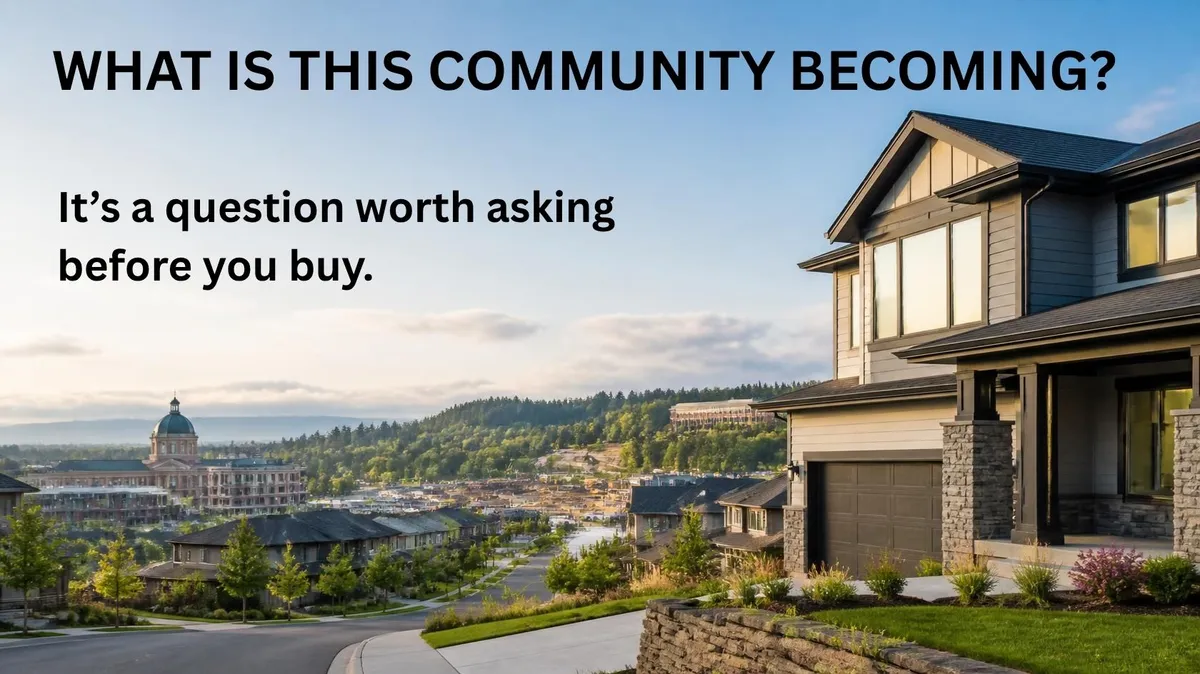
The One Thing Most Homebuyers Never Research—Until After They Move In
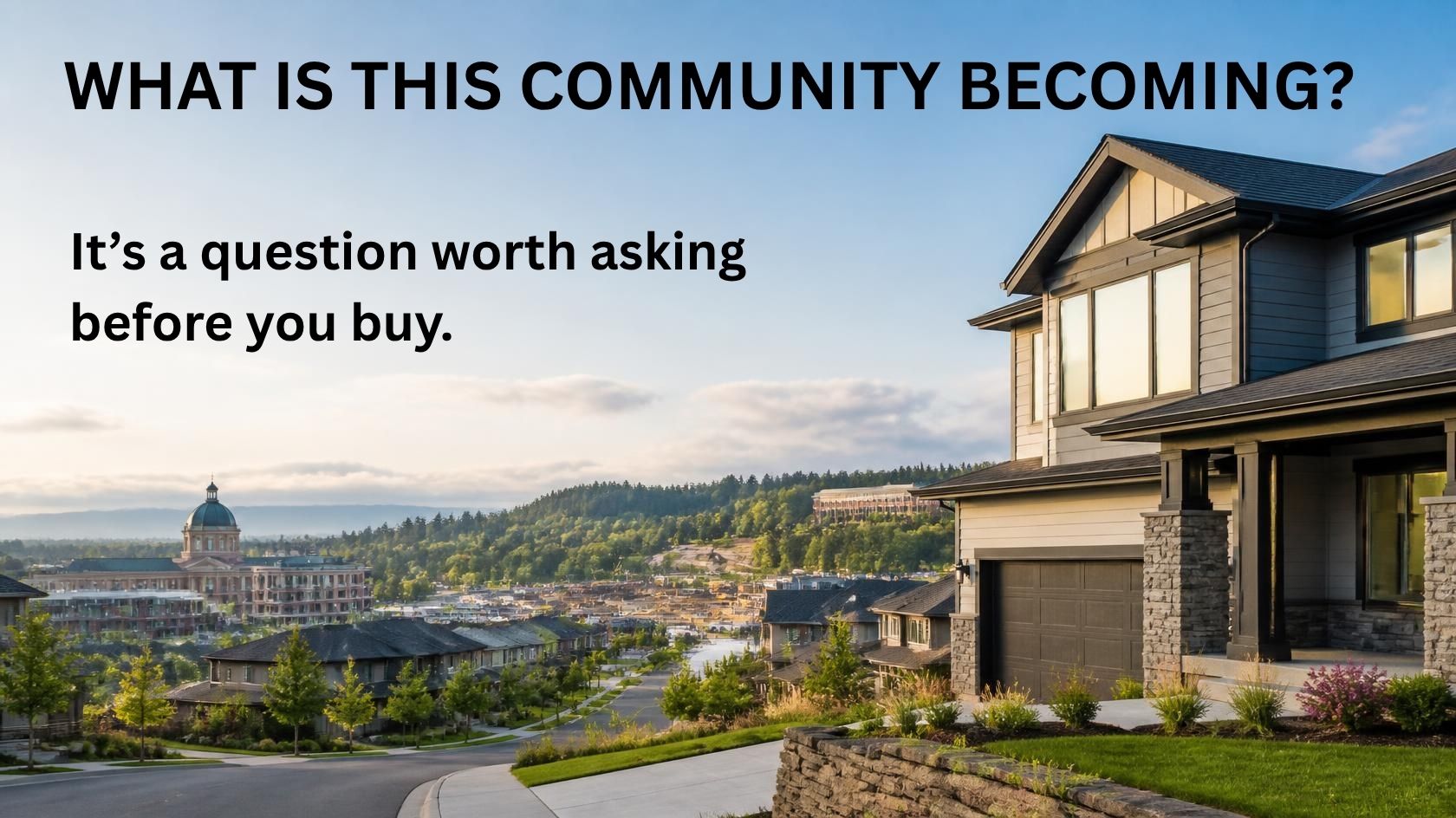
The One Thing Most Homebuyers Never Research—Until After They Move In
When you're buying a home, there is a lot to research.
You look at the house itself. You check the schools. You think about the commute. You may research crime statistics, property taxes, restaurants, parks, shopping and what homes are selling for nearby.
You might drive through the neighborhood at different times of day.
But there is one thing that most homebuyers don't think to research until they're already living there:
How does the city actually operate?
After decades of helping Michigan families finance homes, I've learned that buying a home isn't simply about choosing a house you like and figuring out how to finance it.
You're also choosing a community.
And if you expect to live there for many years, the decisions made by that community's local government can have a meaningful effect on your day-to-day quality of life—and potentially on the desirability and value of the property you've worked so hard to acquire.
I'm not suggesting that you need to become an expert in municipal government before buying a home.
But I do think there are some questions worth asking.
How Long Do You Expect To Stay?
This may be the first question to ask yourself.
If you're purchasing a home you expect to own for only a few years, you may have different priorities than someone who intends to raise a family there, stay for decades, or eventually retire in the home.
The longer you expect to stay, the more important it becomes to understand not only what the community looks like today, but what is happening around you and what the community's plans are for the future.
Because communities change.
And they don't usually change all at once.
They change one zoning decision, one development, one road project, one tax proposal and one municipal investment at a time.
What Is The City's Vision For The Future?
Before buying, take a look at the city's master plan, zoning map and recent development decisions.
You don't have to understand every provision.
Instead, look for the bigger picture.
Are residential areas being preserved, or is there increasing commercial or higher-density development?
Are new developments being planned?
Are roads being expanded or substantially changed?
Are there plans for new public facilities?
Are businesses being encouraged to locate closer to established residential neighborhoods?
None of these things are automatically good or bad.
But they can change what it is like to live in a neighborhood.
A quiet residential street today may not necessarily have the same traffic pattern, noise level or surrounding land uses ten years from now.
What Happens When Residents Disagree?
Here's another question that doesn't occur to most buyers:
How does the city involve its residents in decisions that affect them?
You can learn something simply by attending a city council meeting—or even watching a recording of one.
Pay attention to more than the official business.
Listen to the public comments.
Look at the issues residents are bringing forward.
Then look at what happens afterward.
Are residents simply given an opportunity to speak, or is there a process for gathering resident input before major decisions are made?
How does the city communicate with homeowners?
Are there public surveys, neighborhood meetings, advisory boards, newsletters or other ways residents can provide input?
And when significant changes are proposed, how much notice do residents receive?
You don't have to agree with every resident's position.
The point is to understand how the community makes decisions and how homeowners participate in that process.
What Are You Actually Going To Experience Every Day?
A city can look wonderful on a Saturday afternoon.
That doesn't necessarily tell you what it will feel like to live there every day.
Consider things that don't usually show up on a real estate listing:
· School pickup and drop-off traffic
· Parking restrictions
· Truck routes
· Road construction
· Noise
· Commercial activity near residential areas
· Traffic generated by new development
· Construction projects that may last for years
· Street maintenance
· Garbage and snow removal
· Parks and recreation facilities
· How well public infrastructure is maintained
These are quality-of-life issues.
And they're worth investigating before you make a long-term commitment.
For example, you might love a house on a particular street—only to discover after moving in that twice a day during the school year, getting in and out of your own street is difficult.
Or perhaps a property seems wonderfully quiet when you tour it on a Sunday afternoon, but a nearby commercial operation creates truck traffic and noise during the workweek.
Those aren't necessarily reasons not to buy.
They're reasons to know what you're buying into.
Follow The Money
Here's another piece of municipal research that most homebuyers overlook:
Where does the city's money go?
You can look at municipal budgets, proposed millages, capital improvement plans and major expenditures.
You don't have to be a municipal finance expert.
Look for patterns.
What is the community investing in?
What major projects are being funded?
What are residents being asked to approve through millages?
Is the city investing heavily in roads and infrastructure?
Public safety?
Parks?
New facilities?
Technology?
Economic development?
Again, this isn't about deciding whether a particular expenditure is right or wrong.
It's about understanding the priorities of the community you're considering calling home.
Look Beyond Today's Property Value
Most buyers look at recent comparable sales to determine whether a particular house is priced appropriately.
That's important.
But if you're thinking long-term, you can also look at the broader history of the community.
How have home prices changed over time?
How long do homes typically stay on the market?
Are homes selling quickly, or are they sitting longer?
How does the community compare with nearby communities?
What has happened to the population?
Are people staying in the area, or is there significant turnover?
Are there increasing numbers of vacant properties or rental properties?
No single statistic tells you whether a community is desirable.
But several trends viewed together can give you a much better picture than looking at today's listing prices alone.
Don't Just Research What The City Is. Research What It Is Becoming.
This may be the most important part.
When you're buying a home, you're making a decision based largely on what you can see today.
But your ownership may last five years, ten years, twenty years or longer.
So ask yourself:
What could change?
Look at recent zoning changes.
Look at major developments.
Look at infrastructure projects.
Look at population trends.
Look at the city's plans.
Look at what residents are talking about.
And look at how local decisions have affected the community in the past.
You aren't trying to predict the future.
You're simply gathering information so that the future doesn't completely surprise you.
A Simple Pre-Purchase Community Checklist
Before purchasing a home, consider spending a little time researching the community itself.
Attend or watch a city council meeting
What issues are residents raising? How are decisions discussed?
Review the city's master plan
What does the community say it wants to become?
Look at the zoning map
What's allowed near the property you're considering?
Research recent zoning and development decisions
What's changing nearby?
Look at major infrastructure projects
What roads, facilities or other projects are planned?
Review the municipal budget and recent millage proposals
Where are resources being directed?
Research property-value trends
Look beyond one house and examine the community over time.
Visit the neighborhood at different times
Try a weekday morning, afternoon, evening and weekend.
Listen to residents
Local community groups and public meeting comments can reveal issues you may not see during a showing.
Ask yourself how long you really expect to stay
Your priorities may be different if you're buying for three years versus thirty.
You're Buying More Than A House
Buying a home is both a personal decision and, for most people, one of the largest financial commitments they'll ever make.
So yes, research the house.
Research the schools.
Research the commute.
Research the neighborhood.
But consider adding one more item to your list:
Research the community that governs the place you're about to call home.
You don't have to agree with every decision the city makes. You don't have to become involved in local government. And you certainly don't have to predict everything that could happen in the future.
You simply want enough information to decide whether the community's direction, priorities and quality of life fit what you're looking for.
Because when you put down roots, you're not just buying a house.
You're choosing where you want to live.

Mortgage Calculator
See your total mortgage payments using the tool below.
| Year | Interest | Principal | Balance |
|---|
